I’ll be honest with you—long weekends make me nervous.
Not because I don’t trust your team. Not because your systems are “weak.”
But because I know how attackers think.
And they love the exact moments you’re trying to unplug.
The Truth Most RIAs Don’t Talk About
While you’re heading to the lake or catching up on time with family, someone else is getting to work.
They’ve already mapped out firms like yours.
They know:
- You’re likely running lean (most RIAs are 5–10 people)
- Your compliance officer is juggling ten roles
- Your “IT strategy” is often reactive, not monitored 24/7
- Your tech stack (Redtail, Orion, Microsoft 365, ShareFile) is predictable
And most importantly…
They know when no one is watching.
Why Holiday Weekends Are Prime Time for Attacks
This isn’t random. It’s strategy.
More than half of ransomware attacks hit during weekends or holidays. That’s not bad luck—that’s timing.
And if you think about it from an SEC perspective, it gets even more serious.
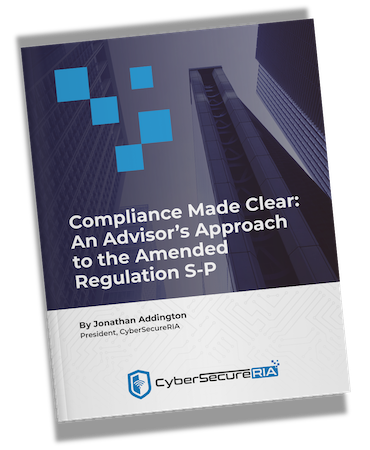
The makes it clear:
Cybersecurity and operational resiliency are now front and center in examinations.
So this isn’t just about avoiding an attack.
It’s about:
- Protecting client trust
- Meeting fiduciary duty
- Proving your compliance program actually works
The Real Risk Starts Before the Weekend
Here’s what I see happen over and over again inside RIAs.
It doesn’t start on Saturday.
It starts on Wednesday.
- A login gets shared “just this once”
- A vendor is given access without documentation
- A former contractor still has credentials
- MFA gets bypassed because it’s “annoying”
By Friday afternoon?
Everyone’s mentally checked out.
Laptops stay open. Sessions stay active. Small controls slip.
None of it feels dangerous.
But together? It creates a quiet, wide-open window.
And that window can last 72 hours.
The Gap No One Wants to Admit
Let me say this as plainly as I can:
Most RIAs are running a reactive IT model in a proactive threat environment.
On one side:
- Criminal organizations monitoring your login portals
- Automated tools scanning for vulnerabilities
- Attackers testing access points at 2:00 AM
On the other side?
A phone number.
Maybe a good IT person.
But they’re not:
- Watching your systems overnight
- Reviewing unusual login behavior
- Responding to alerts in real time
And that’s the gap.
What “Secure and Compliant” Actually Looks Like
When I sit down with firms like yours, I don’t start with tools.
I start with one question:
“Who’s watching when you’re not?”
Because real cybersecurity for RIAs means:
- 24/7 monitoring (not just during business hours)
- Alerts that go to a live team—not a voicemail
- Logged access and audit trails for SEC exams
- Pre-weekend reviews of permissions and credentials
- A real Incident Response Program (not just a document)
That’s how you move from:
“We hope nothing happens…”
to:
“We’ll know immediately if it does.”
This Is Bigger Than IT—It’s Fiduciary Duty
I know how seriously you take your role as a fiduciary.
You protect your clients’ assets, their plans, their future.
But today?
Their data is just as valuable.
And under regulations like Reg S-P, you’re expected to:
- Safeguard client information
- Detect unauthorized access
- Respond quickly and document everything
This isn’t optional anymore. It’s expected.
A Quiet Question Before Your Next Long Weekend
I’m not here to scare you.
But I do want you to think about this:
If something happened this Saturday at 2:17 AM…
- Would you know?
- Would someone be watching?
- Could you prove it during an SEC exam?
If the answer is “I’m not sure,” you’re not alone.
Most firms are in that exact spot.
Final Thought
I’ve worked with enough RIAs to know this:
You’re not careless.
You’re just busy.
And the systems you rely on weren’t built for the world we’re in now.
Attackers don’t wait for weaknesses.
They wait for silence.
If you want to make sure your firm is covered before the next long weekend, let’s keep it simple.
Give me 30 minutes. I’ll show you where you stand and where the gaps are.
No pressure. Just clarity. Schedule here.