Let me ask you something simple.
If I walked up to your office and found a key under the doormat, what would you think?
You’d know right away.
That’s not security. That’s convenience pretending to be security.
Now here’s the uncomfortable part.
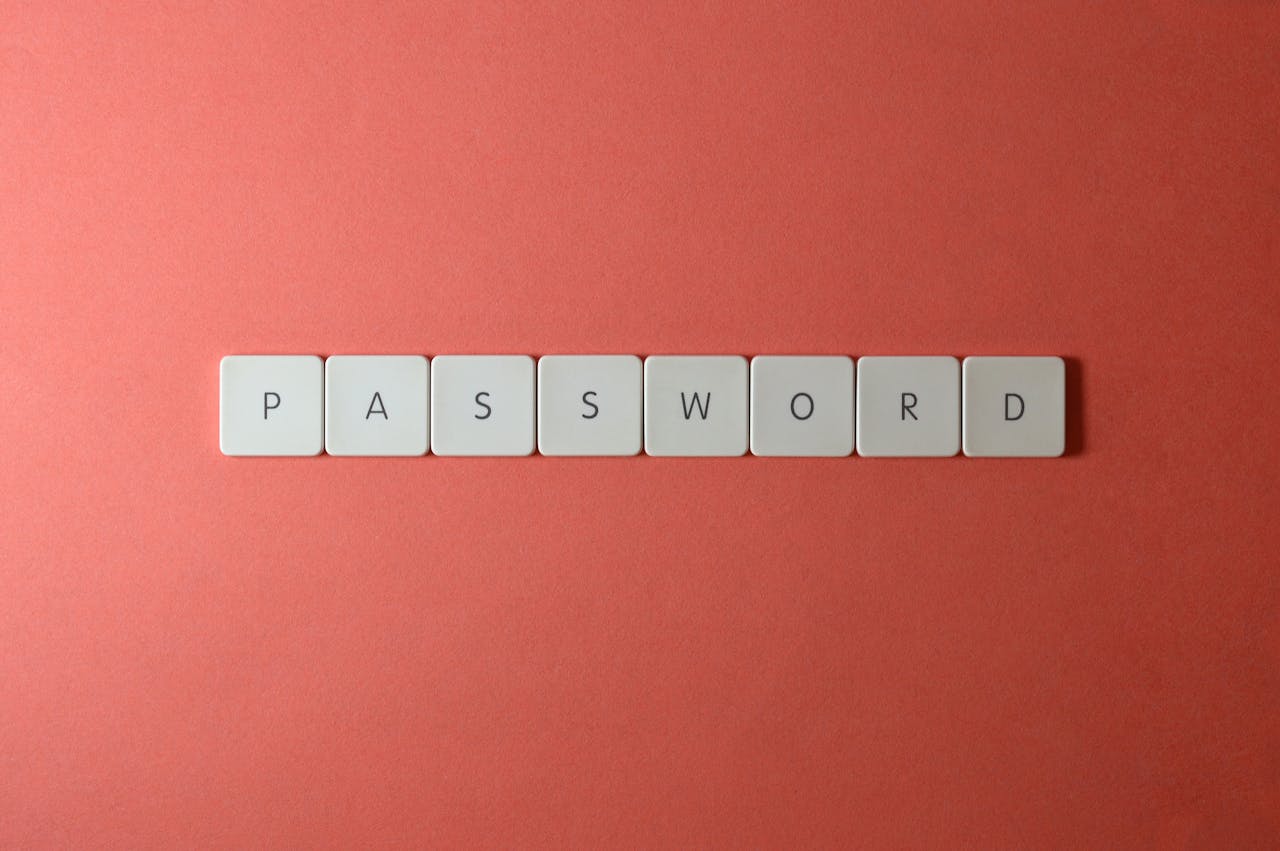
Most RIAs are doing the same thing with their passwords.
The Problem Isn’t Your Firm. It’s Everywhere Else
I want you to see how most breaches actually start.
Not inside your firm.
Somewhere completely unrelated.
A vendor.
A shopping site.
A tool someone signed up for years ago and forgot about.
That company gets breached.
Now your email and password are out there.
From there, attackers don’t guess.
They automate.
They take that same login and try it everywhere:
- Your Microsoft 365
- Your CRM
- Your custodial portals
- Your client document systems
And if that password is reused?
They don’t just get into one system.
They get into everything.
This Is Where RIAs Get Exposed
I’ve worked with enough firms to know this is common.
Good people. Smart teams.
But passwords get reused because:
- It’s easier
- It’s faster
- No one thinks it will matter
Until it does.
Because from a compliance standpoint, this isn’t just an IT issue.
This is about protecting client data and fiduciary responsibility.
Under Reg S-P, you are expected to safeguard client information with reasonable controls.
If one password opens multiple systems, that’s not a control.
That’s a risk.
The Myth of “Strong Enough”
A lot of firms tell me:
“Our passwords are strong.”
They’ve got:
- A capital letter
- A number
- A symbol
That used to work.
It doesn’t anymore.
Today, attackers use automated tools that can test billions of combinations in seconds.
So the real issue is not just strength.
It’s reuse.
A strong password reused across systems is still a single point of failure.
One Password Should Never Unlock Your Entire Firm
Think about it this way.
Imagine one key that opens:
- Your office
- Your home
- Your car
- Every client file
If someone copies that key once, everything is exposed.
That’s exactly what password reuse does.
And it’s one of the easiest ways attackers get in.
No hacking required.
Just logging in.
What Actually Fixes This
I don’t believe in making this complicated.
You don’t need a massive overhaul.
You need two simple things.
-
A Password Manager
This changes everything.
Instead of remembering passwords, your team uses a system that:
- Generates strong, unique passwords
- Stores them securely
- Fills them automatically
Every account gets its own password.
No reuse. No shortcuts.
This alone removes a huge amount of risk.
If passwords are the lock, MFA is the second layer.
It requires:
- Something you know (your password)
- Something you have (your phone or app)
So even if a password is compromised, access is blocked.
This is one of the most important controls the SEC expects to see in place as part of a modern cybersecurity program.
This Is About Systems, Not Perfection
Here’s something I’ve learned over time.
People are going to:
- Reuse passwords
- Click things they shouldn’t
- Take shortcuts when they’re busy
That’s normal.
Good security does not rely on perfect behavior.
It builds systems that protect the firm anyway.
A Simple Question to Think About
If one password in your firm were exposed today:
How many systems would it unlock?
One?
Or everything?
Final Thought
Most breaches don’t start with something complex.
They start with something simple.
An old password.
A reused login.
A door that was easier to leave open than to lock properly.
You don’t need to overhaul your entire tech stack.
You just need to stop leaving the key under the mat.
If you want help locking this down across your firm, I can walk you through it in plain English.
No jargon. No overwhelm.
Just a clear path to being secure and exam ready.
Schedule here: http://ria.tips/virtual30dc